The Bold & Unforgettable:
1990s Kits with Standout
Patterns
The 1990s were a golden era for football kit design, a decade when clubs and brands experimented boldly with colour, pattern, and graphic design. Kits went far beyond simple stripes or solid colours — they became statements of identity, fashion, and creativity. Among these, a few jerseys stand out as truly unforgettable, showcasing the era’s willingness to take risks and embrace visual flair.
Netherlands 1998: Orange Brilliance
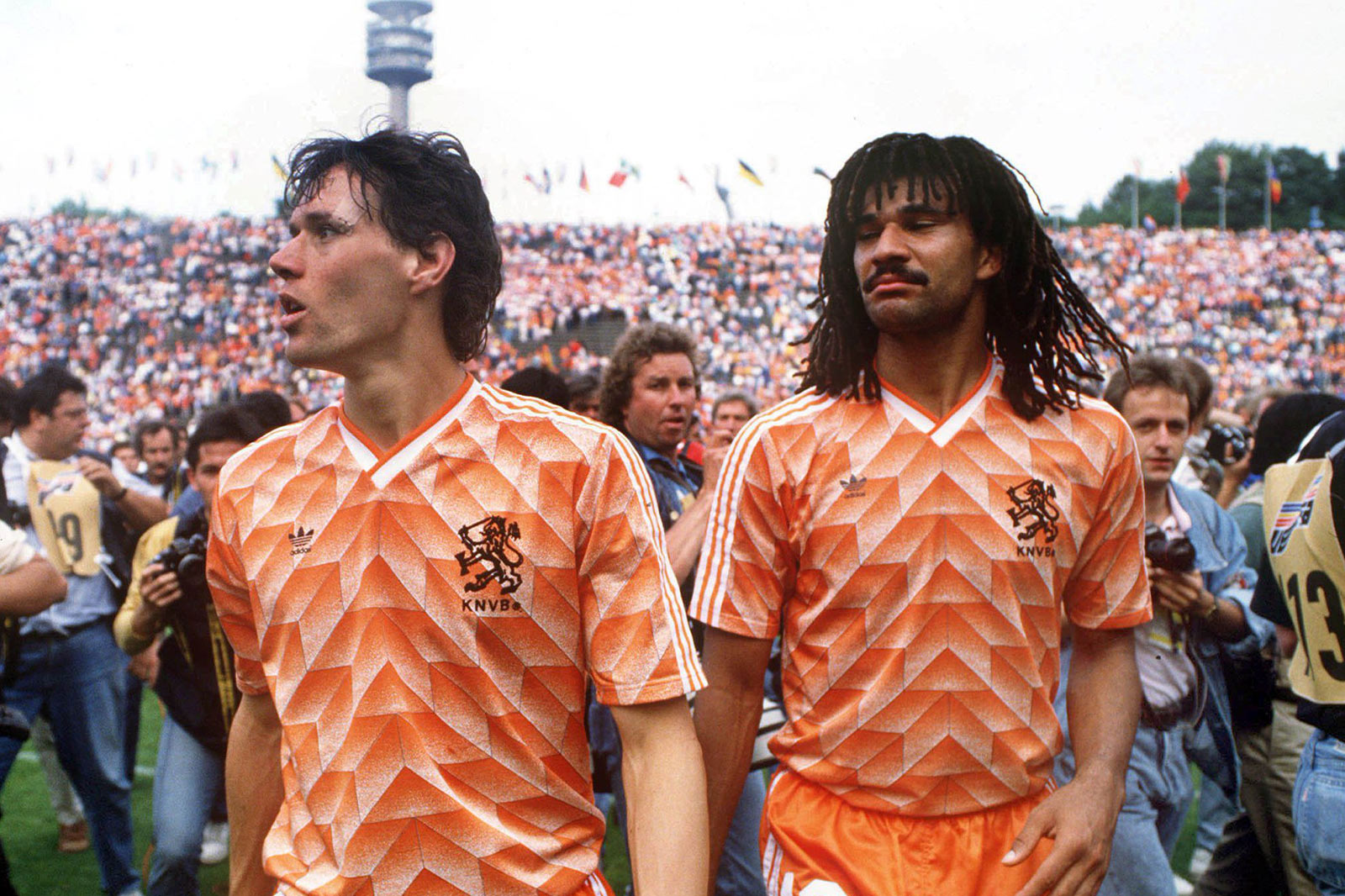
One of the most iconic patterned kits of the decade was the Netherlands 1998 World Cup shirt. Unlike more restrained kits of previous years, this jersey featured a vivid, all-over geometric pattern that combined subtle diagonal lines with a textured, shadow-like effect. The bright orange base, a hallmark of the Dutch national team, was elevated by these details, giving the shirt movement and energy even when players were standing still. It perfectly captured the flamboyance and boldness of the Dutch team while becoming a fan favourite and a must-have for collectors.
Arsenal “Bruised Banana”:
A Club Kit That Shocked
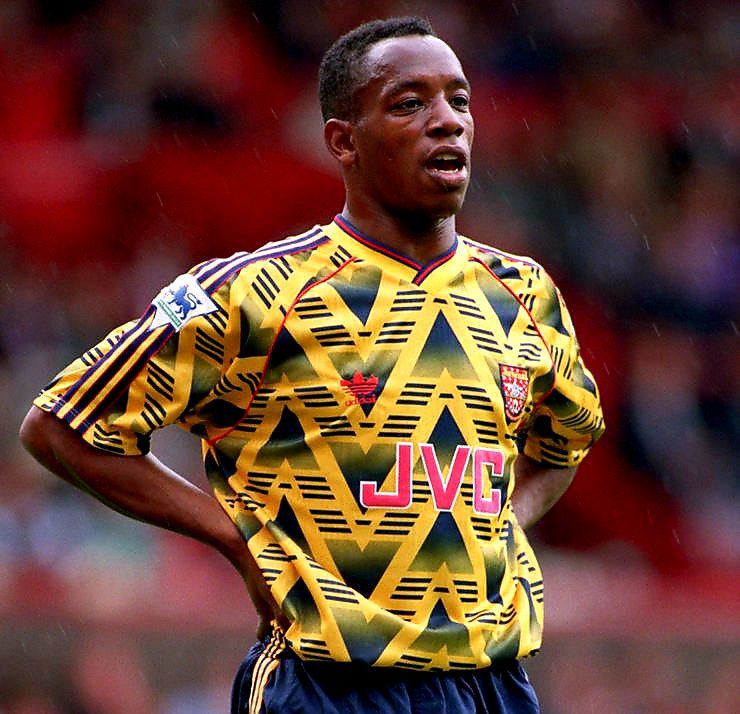
Arsenal’s 1995–97 home kit, famously nicknamed the “Bruised Banana,” is another quintessential 90s example of daring design. Produced by Nike, it featured a yellow shirt with purple panels and subtle gradient patterns, creating a look that initially shocked fans. The unusual colour combination earned it its memorable nickname but also cemented it as an icon of the 90s, showing that kits could be conversation starters and fashion statements.
Denmark Crazy GK Kit:
Goalkeeper Creativity
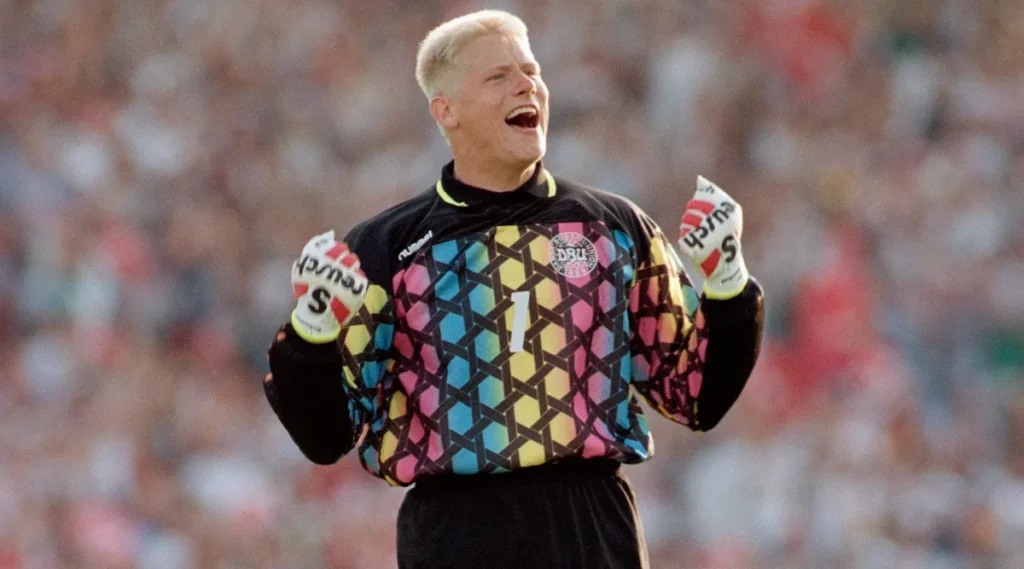
Goalkeepers in the 90s often got the most creative kits, and Denmark’s 1996–98 goalkeeper jerseys were prime examples. Featuring bright, clashing colours and intricate geometric patterns, these kits made the keeper impossible to ignore on the pitch. Some included neon shades, zigzags, or abstract brushstroke-like graphics, reflecting the playful audacity of 90s kit design.
Blue Manchester United:
A Bold Departure
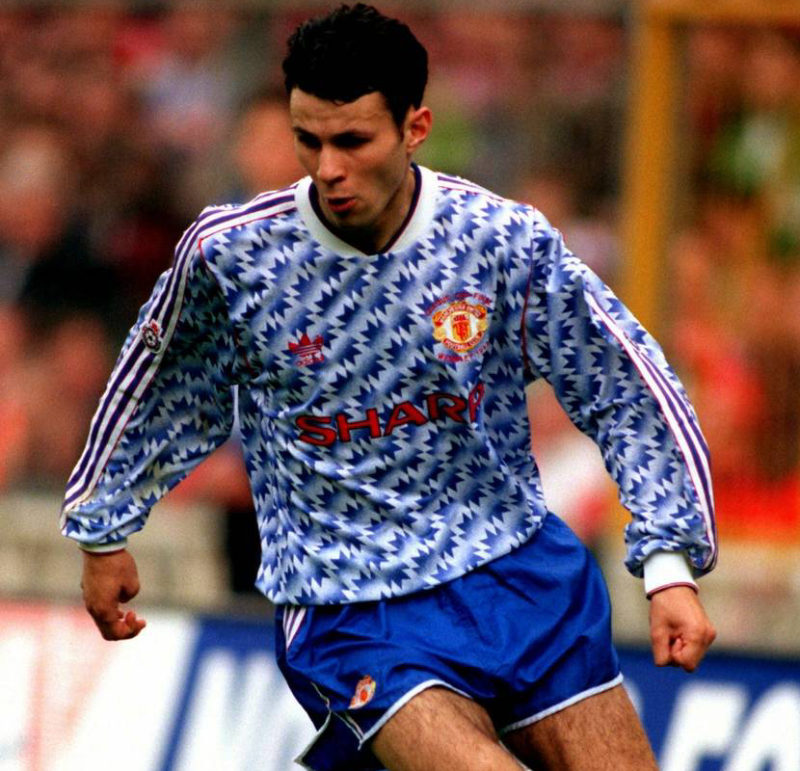
Manchester United’s mid-90s blue away kit stands out for its daring colour choice and patterning. Unlike their traditional red home shirts, this kit featured a deep blue base with lighter graphic elements across the chest and shoulders, including jagged geometric shapes. It was a bold visual departure for the club, showing that even a brand as iconic as United was willing to embrace the 90s experimentation ethos. Fans either loved it or hated it, but there’s no denying its impact and memorability.
Why These Patterns Worked
The success of these kits lay in their boldness and cultural resonance. The 90s were a time of bright colours, streetwear influence, and graphic-heavy fashion trends. Designers realized that a visually striking shirt could energize fans, create excitement for merchandising, and make every game feel vibrant and memorable.
Patterned kits allowed clubs and national teams to express identity in innovative ways: the Netherlands kit suggested dynamism, Arsenal’s “Bruised Banana” screamed individuality, Denmark’s GK kits radiated bold confidence, and United’s blue shirt showcased a willingness to break tradition. These jerseys were more than uniforms; they were personality-driven design statements.
Legacy
Today, 90s patterned kits are highly sought after by collectors and retro enthusiasts. They remind us that football kits can be artistic, daring, and playful, and that a shirt can tell a story about its era. The 1990s taught designers that patterns, colours, and audacity could make a jersey unforgettable — lessons that continue to influence fashion-forward kits today.